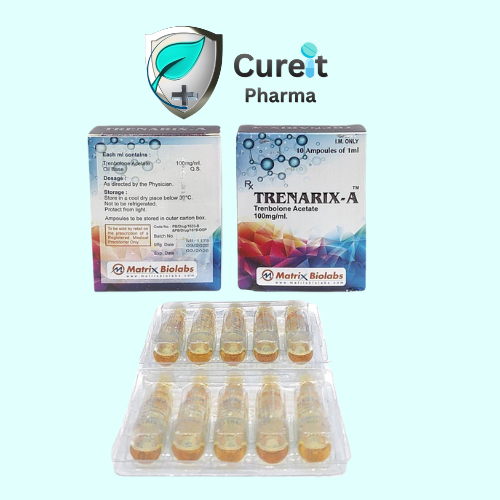
TRENARIX-A contains Trenbolone Acetate (100 mg), a highly potent anabolic-androgenic steroid. Trenbolone is a synthetic derivative of nandrolone and is primarily developed for veterinary use, particularly to promote muscle growth in livestock. It is not approved for human medical use, yet it is widely misused in bodybuilding due to its extremely strong anabolic properties. The acetate ester makes it fast-acting, allowing rapid onset of effects and quicker physiological response.
Benefits in Bodybuilding
In bodybuilding, TRENARIX-A is considered one of the most powerful compounds for increasing lean muscle mass and strength. It promotes rapid muscle growth without significant water retention, resulting in a hard, dense, and well-defined physique. Trenbolone is also known for its ability to enhance fat loss while preserving muscle mass, making it highly effective during cutting phases. Additionally, it improves protein utilization and nitrogen retention, leading to efficient muscle development. Users often report increased endurance, strength, and recovery, enabling more intense and productive training sessions. Its ability to increase red blood cell production further contributes to improved oxygen delivery and performance.
Mechanism of Action (Short)
Trenbolone Acetate works by strongly binding to androgen receptors in muscle tissue, significantly enhancing protein synthesis and nitrogen retention. It also increases red blood cell production and inhibits catabolic hormones, promoting muscle preservation and growth. Unlike testosterone, it does not convert to estrogen, which reduces the risk of water retention.
Adverse Effects
Despite its powerful effects, TRENARIX-A carries a high risk of adverse effects. It can cause severe suppression of natural testosterone production, leading to infertility and testicular atrophy. Cardiovascular risks are significant, including increased LDL cholesterol, decreased HDL cholesterol, and elevated blood pressure, raising the risk of heart disease. Psychological effects such as aggression, anxiety, irritability, and mood swings are commonly reported.

Reviews
There are no reviews yet.