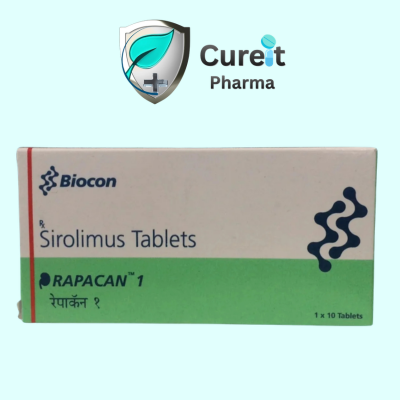
Rapacan contains sirolimus, an immunosuppressive medicine mainly used to prevent organ rejection after a kidney transplant. It works by calming down the immune system so that it does not attack the transplanted organ. Rapacan is also used in certain non-transplant conditions where controlling abnormal cell growth is necessary. It is taken by mouth and is typically part of a long-term treatment plan under specialist care.
Mechanism of Action:
Sirolimus works by blocking a protein in the body called mTOR, which is involved in cell growth and immune response. By inhibiting mTOR, Rapacan reduces the activity of immune cells, especially T cells and B cells, which are responsible for organ rejection. It also limits the growth of abnormal cells in some non-cancerous and cancerous conditions. This dual action makes it helpful in both immune regulation and growth control.
Uses:
Rapacan is commonly prescribed for:
-
Preventing rejection of kidney transplants, usually in combination with other immunosuppressants
-
Treating a rare lung disease called lymphangioleiomyomatosis
-
Managing certain non-cancerous tumors associated with tuberous sclerosis complex
-
Being studied for its potential use in some cancers and autoimmune conditions
Adverse Effects:
While effective, Rapacan can cause side effects, particularly due to its immune-suppressing action. These may include:-
Increased risk of infections
-
Mouth sores or ulcers
-
High cholesterol and triglyceride levels
-
Delayed wound healing
-
Diarrhea, nausea, or abdominal discomfort
-
Low red blood cell or platelet counts in some cases
-